- sofeila@outlook.com
- 0086-15905066509
- 1015406735@qq.com
- 0086-15980076163

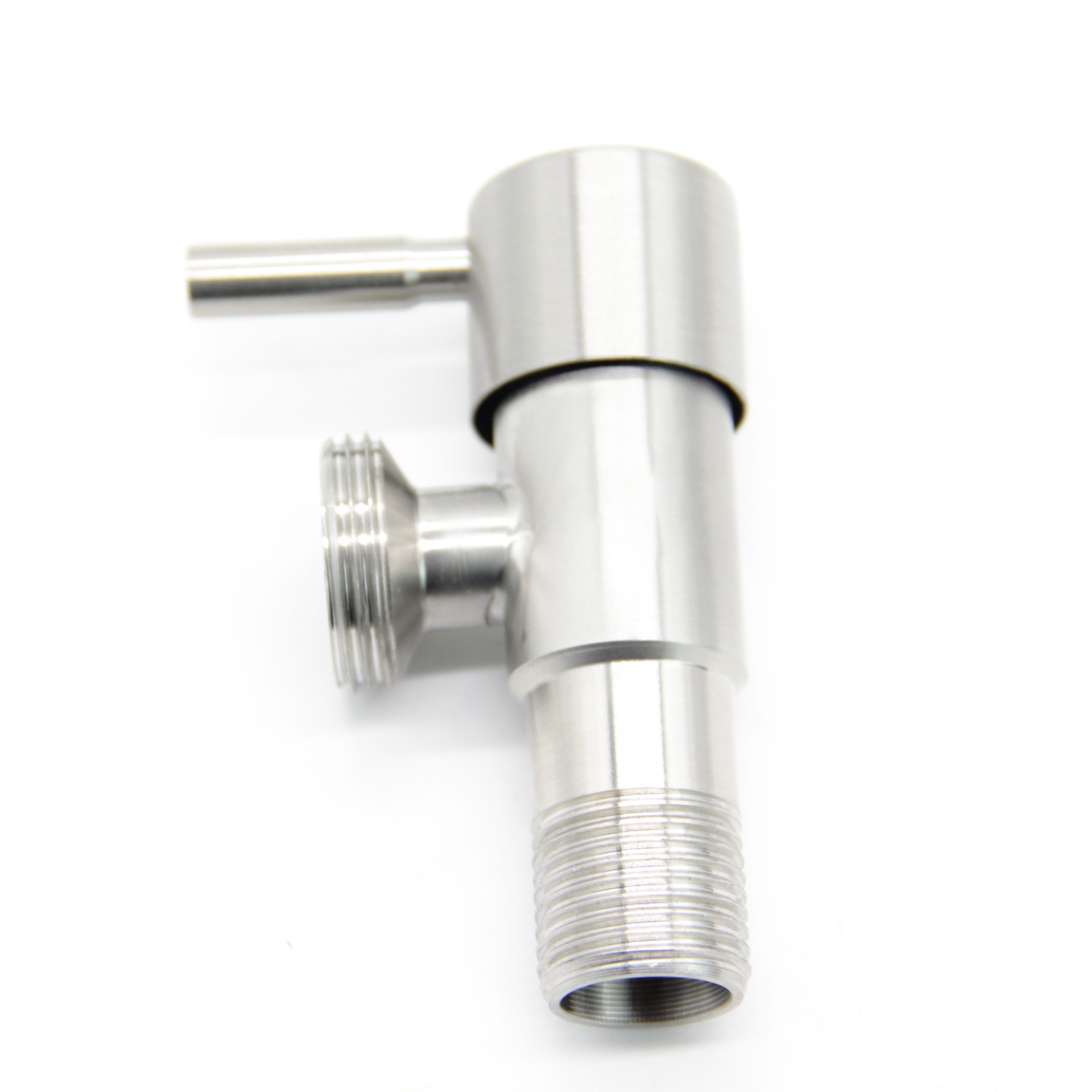
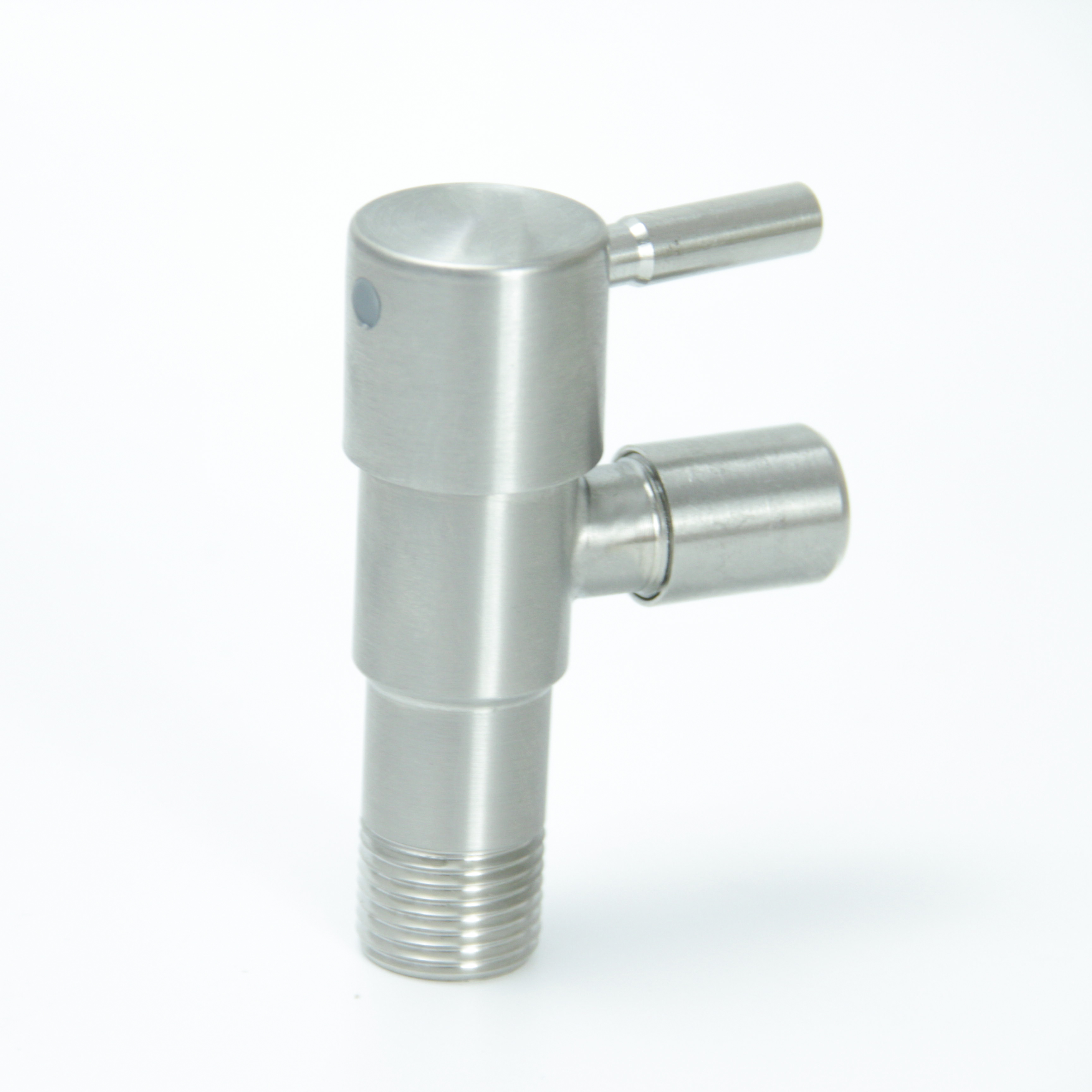
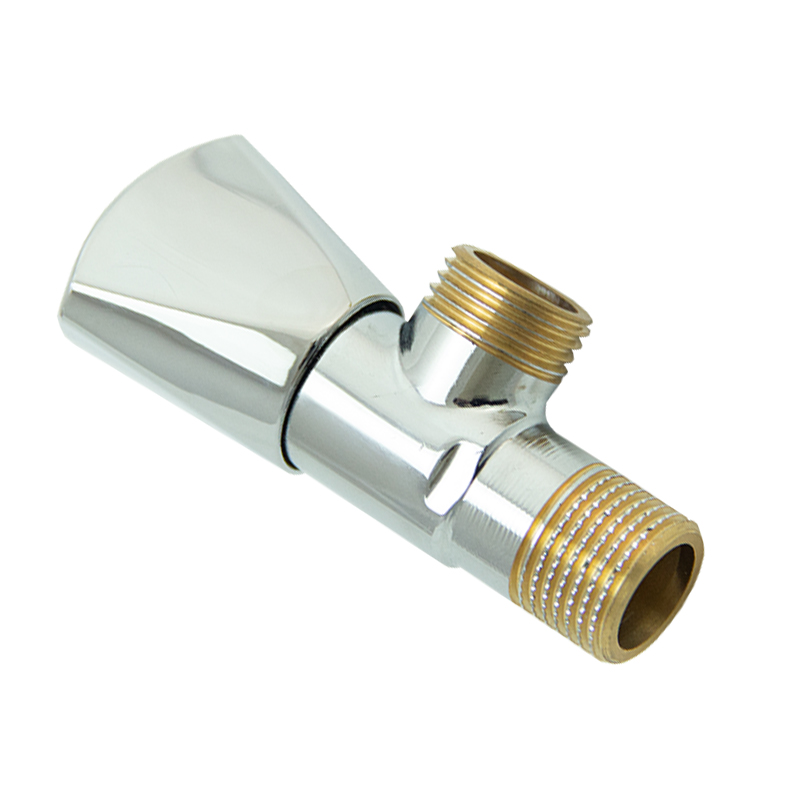
When I think about sourcing valves, the two-way angle valve price is always a key consideration for me as a B2B purchaser. Having the right manufacturer in China means not just competitive pricing but also reliability in quality. I’ve had great experiences with suppliers who understand the market demands and provide an excellent range of two-way angle valves. The prices often vary based on specifications, but knowing I can get them at a fair rate boosts my confidence in placing bulk orders. I appreciate manufacturers who offer transparent pricing and are willing to discuss customization options to meet specific project needs. Having a trustworthy partner in China can truly streamline the procurement process and optimize costs. I strongly believe that investing time in researching potential suppliers can lead to significant savings while ensuring high standards of performance and durability.
In today's competitive landscape, understanding the pricing dynamics of two-way angle valves is crucial for global buyers seeking to make informed purchasing decisions. The market for these essential components has shown significant growth, driven by increased demand across various industries, including construction, manufacturing, and HVAC systems. As a result, pricing strategies have evolved, reflecting both material costs and technological advancements. Staying ahead of the curve means not only keeping an eye on fluctuations in raw material prices but also on innovations that enhance product efficiency and longevity. To maintain a competitive edge, suppliers are adopting advanced manufacturing techniques and embracing automation. This shift not only helps to reduce production costs but also improves product quality, thus providing customers with reliable and cost-effective solutions. As global procurement teams look to optimize their supply chains, investing in partnerships with manufacturers that prioritize both quality and affordability will yield significant long-term benefits. Additionally, understanding regional market trends and regulatory standards can guide purchasing decisions, ensuring compliance and sustainability in operations. As the market continues to evolve, informed buyers must consider a variety of factors, including lead times, shipping logistics, and post-purchase support. Engaging with proactive suppliers who are committed to transparency and collaboration can empower procurement teams to secure the best deals while mitigating risks. Ultimately, staying well-informed and adaptable in the face of changing market conditions will be key for buyers aiming to leverage the benefits of two-way angle valves effectively.
| Dimension | Material | Type | Operating Pressure | Temperature Range |
|---|---|---|---|---|
| 1/2 inch | Brass | Manual | 150 PSI | -20°C to 120°C |
| 3/4 inch | Stainless Steel | Electric | 200 PSI | -10°C to 150°C |
| 1 inch | PVC | Manual | 100 PSI | 0°C to 60°C |
| 1-1/4 inch | Bronze | Automatic | 250 PSI | -20°C to 140°C |